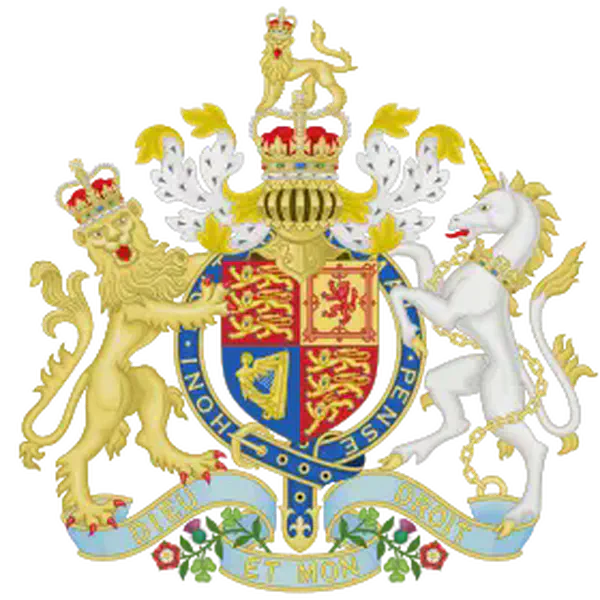
The Ecclesiastical Titles Act forbids Catholic bishops to assume ecclesiastical titles taken from any place in the United Kingdom
The Ecclesiastical Titles Act of 1851 was a significant piece of legislation passed by the British Parliament in response to concerns about the increasing influence of the Catholic Church in the United Kingdom. The Act specifically forbade Catholic bishops from assuming ecclesiastical titles that were associated with any place in the United Kingdom, including England, Scotland, Wales, and Ireland.
ireland
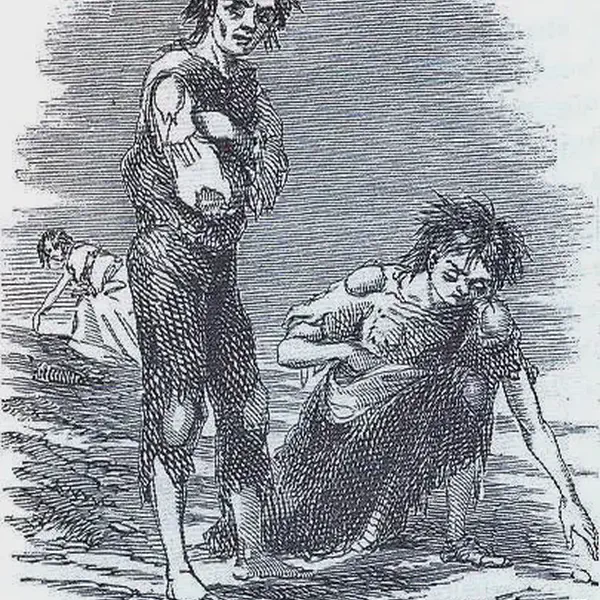
A 1851 census shows the population of Ireland to be 6,552,385, it has declined by one-fifth since 1845
The census records show that a significant number of the population in Ireland was reduced from 8,414,836 in 1841 to 5,344,293 in 1851. A 1851 census shows the population of Ireland to be 6,552,385: it has declined by one-fifth since 1845.
ireland
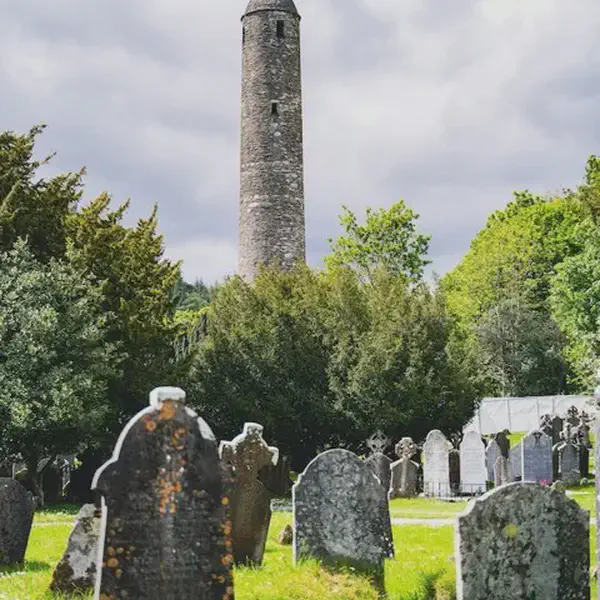
Charles Plummer, Irish language scholar and editor of Lives of the Irish Saints, is born
Charles Plummer, FBA (1851–1927) was an English historian and cleric, best known as the editor of Sir John Fortescue’s The Governance of England, and for coining the term “bastard feudalism”. He was the fifth son of Matthew Plummer of St Leonards-on-Sea, Sussex. He matriculated at Corpus Christi College, Oxford in 1869, graduating B.A. and S.C.L. in 1873 and becoming a Fellow.
ireland
Charters are granted to colleges in Belfast, Cork and Galway, under the Universities (Ireland) Act
Under the Universities (Ireland) Act of 1845, royal charters are granted to new colleges in Belfast, Cork, and Galway, marking a major step in the expansion of higher education in Ireland. These institutions later became Queen’s University Belfast (QUB), University College Cork (UCC), and University College Galway (now University of Galway).
ireland
First Catholic Synod in Ireland since the Middle Ages in Thurles, Co. Tipperary
The First Catholic Synod in Ireland since the Middle Ages opens in Thurles, Co. Tipperary, convened by Archbishop Paul Cullen. The National Synod begins on this date and runs through September 10, marking a major turning point in the post-Penal Laws revival of the Irish Catholic Church.
ireland
The Irish Franchise Act is enacted and has the effect of increasing the electorate from 45,000 to 164,000
The Irish Franchise Act tightened voter registration, increasing the urban electorate and decreasing the rural electorate.
ireland
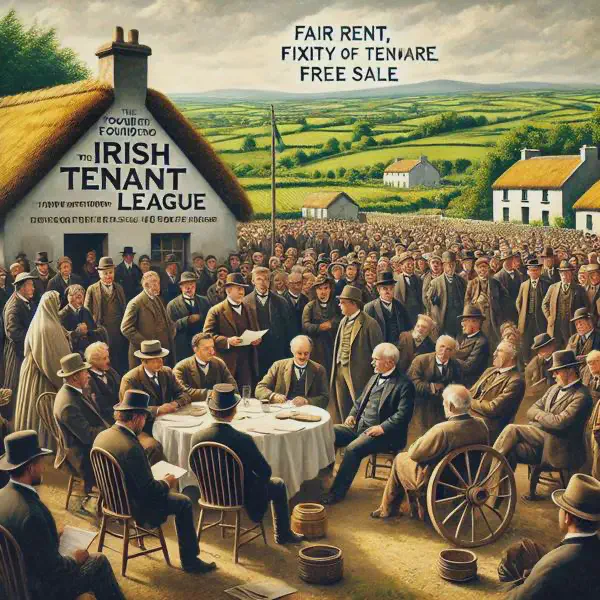
Irish Tenant League is founded
The Irish Tenant League was founded in 1850, during a period of significant social and political unrest in Ireland. The League was established in response to the dire conditions faced by tenant farmers under the landlord system, where the majority of the Irish population rented land from a small class of often absentee landlords. The League became a central force in advocating for the rights of tenants and played a crucial role in the broader struggle for land reform in Ireland.
ireland