Choctaw Indians collect money to donate to starving Irish Hunger victims
Native American nations, Irish immigrants to the United States, and residents of Ireland have a history of often-supportive interactions dating back to the start of the Great Famine. Across multiple generations, people from both communities have drawn attention to their parallel histories of colonization by English-speaking countries.
ireland
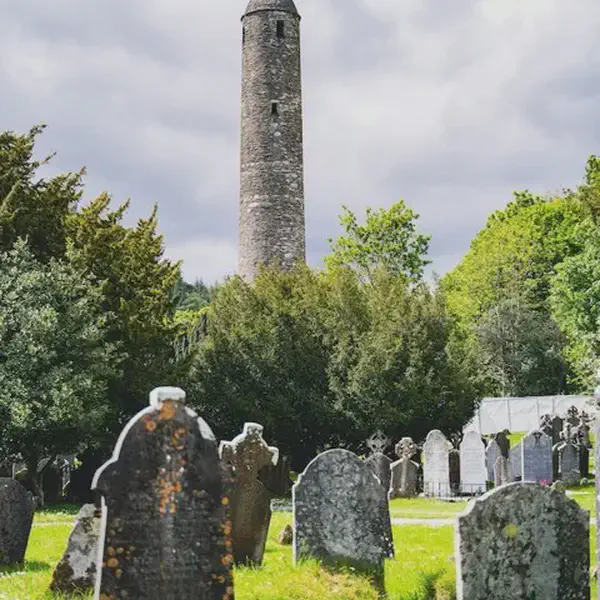
John Keegan Casey , Fenian, poet and writer of Rising of the Moon is born near Mullingar, Co. Westmeath
John Keegan Casey (1846-1870) was born at the height of the famine in Mullingar, County West Meath. Best remembered as the author of The Wearing of the Green, which he is reputed to have written when he was just 15 years old. Leo had two volumes of verse published before his untimely death at the age of 24 on St. Patricks Day 1870. By coincidence, his birthday was 22 August, the same as General Humbert who led French troops in the 1798 Rising and the date Humbert landed at Killala in 1798.
ireland
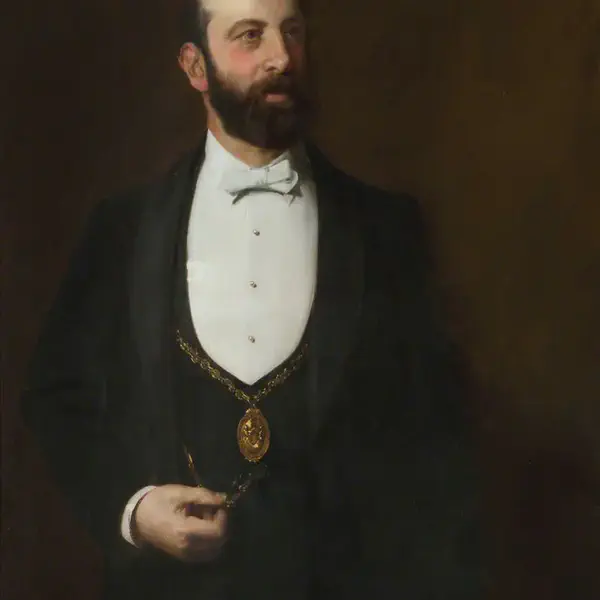
Birth of Otto Jaffe in Hamburg
Otto Jaffe, a prominent businessman and politician in Belfast, Northern Ireland, was born on August 13, 1846, in Hamburg, Germany. Jaffe is notable for his contributions to the Jewish community in Belfast and his role as the first Jewish Lord Mayor of the city.
ireland
The Great Southern & Western Railway line between Dublin and Carlow opens
The Great Southern & Western Railway (GS&WR) line between Dublin and Carlow opened on August 4, 1846. This event was a significant development in the expansion of the railway network in Ireland, contributing to the economic growth and improved connectivity of the region.
ireland
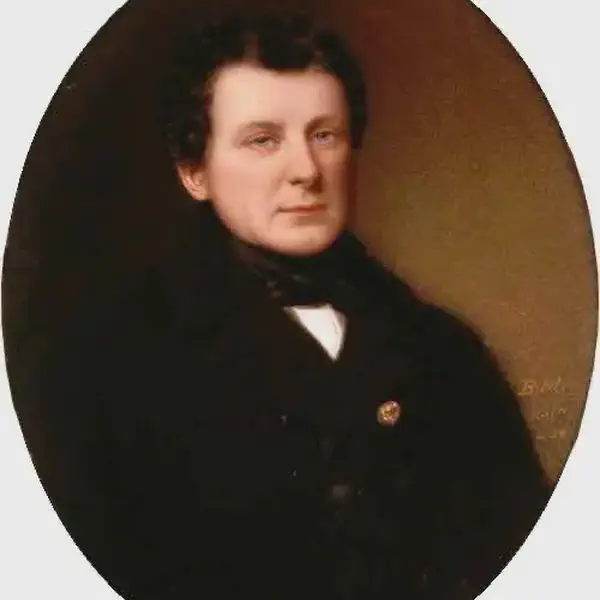
Daniel O'Connell and the Young Irelanders party split
During the 1830’s Daniel O’Connell campaigned to attempt to repeal the Act of Union between Ireland and England which had resulted in the loss of many basic civil rights for Irish Catholics. He formed The Repeal Association in Ireland in 1840. Because of his Parliamentary efforts, some rights were given back to the Catholics via the Reform Act of 1832, the Tithe Act Reform of 1838 and the Irish Poor Law and Municipal Reform Act. But his ultimate goal of repeal of the Union so that an Irish Parliament could make domestic laws for Ireland did not occur. Various Tenant Rights Acts were also defeated. His original intent of Catholic Emancipation was only partially fulfilled and the Catholic peasant was still not much better off than before.
ireland
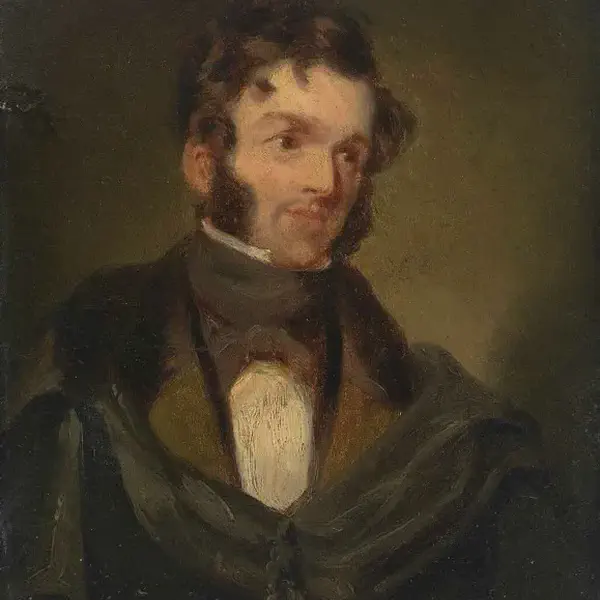
William Smith O’Brien leads the Young Irelanders out of the Repeal Association
William Smith O’Brien (Irish: Liam Mac Gabhann Ó Briain; 17 October 1803 – 18 June 1864) was an Irish nationalist Member of Parliament (MP) and a leader of the Young Ireland movement. He also encouraged the use of the Irish language. He was convicted of sedition for his part in the Young Irelander “Famine Rebellion” of 1848 but his sentence of death was commuted to deportation to Van Diemen’s Land.
ireland
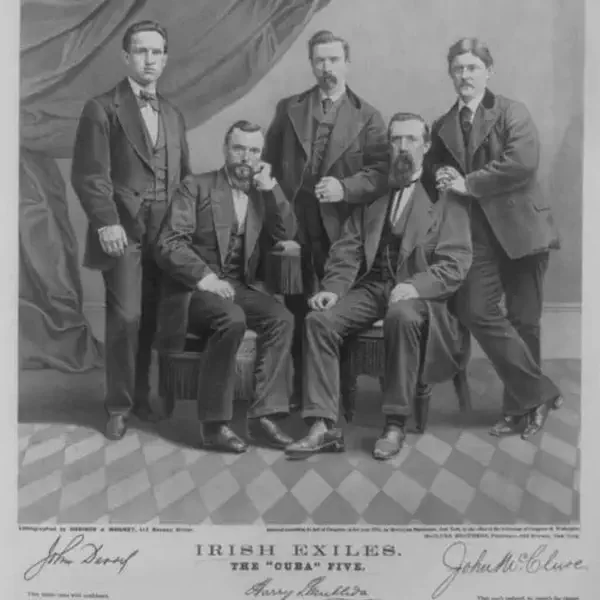
John McLure, born
He is one of 30 Fenian prisoners released in a general amnesty by the British government on January 05, 1871.
ireland
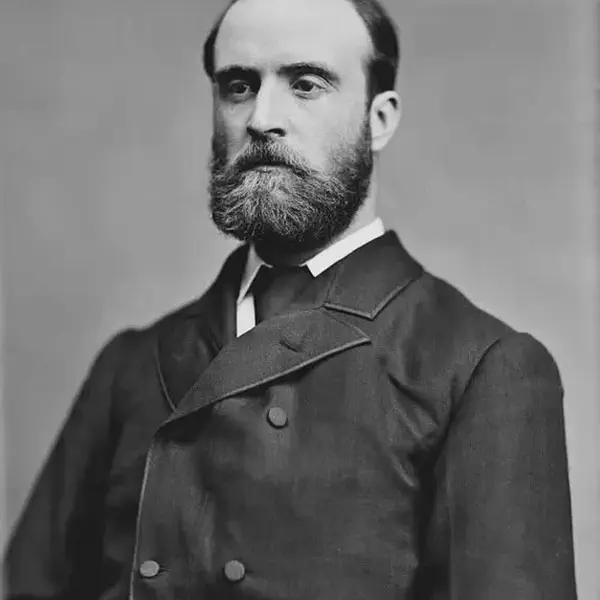
Irish statesman, Charles Stewart Parnell, is born
Charles Stewart Parnell (27 June 1846 ? 6 October 1891) was an Irish political leader and one of the most important figures in 19th century Ireland and the United Kingdom; William Ewart Gladstone described him as the most remarkable person he had ever met.[2] A future Liberal Prime Minister, Herbert Henry Asquith, described him as one of the three or four greatest men of the nineteenth century, while Lord Haldane described him as the strongest man the British House of Commons had seen in 150 years.
ireland