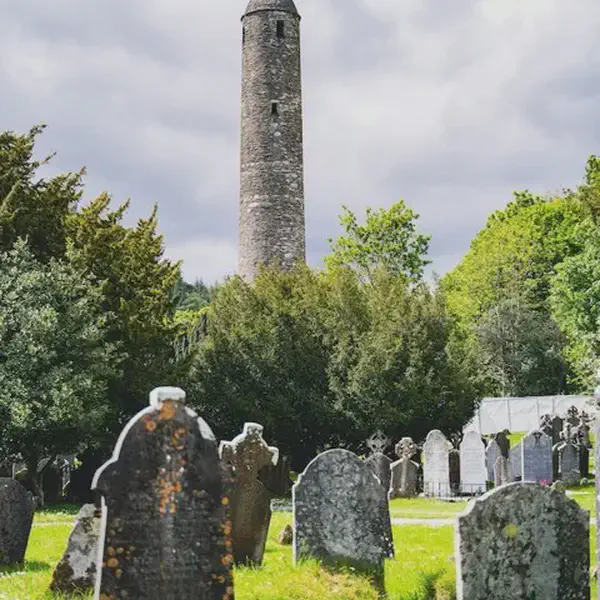
Thomas Tonkin - Cornish historian born
The Cornish historian Thomas Tonkin was born in St. Agnes, Cornwall, in 1678. A member of the lesser gentry, Tonkin became MP for Helston and participated in Stannary Court business. Like many of his contemporaries he was involved in tin and copper mat
ireland
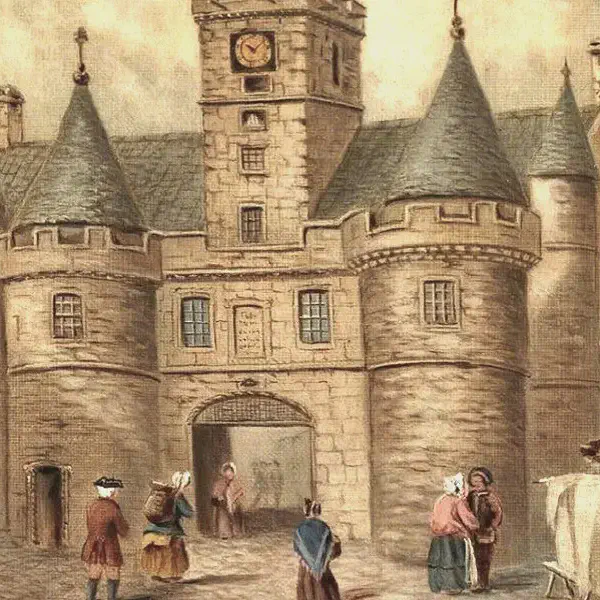
First Glasgow-Edinburgh coach service began from White Horse Inn, Edinburgh.
The first Glasgow-Edinburgh coach service began in 1678, departing from the White Horse Inn in Edinburgh. This service marked the establishment of a regular transportation link between Scotland’s two largest cities, playing a crucial role in the development of communication and travel in Scotland.
ireland
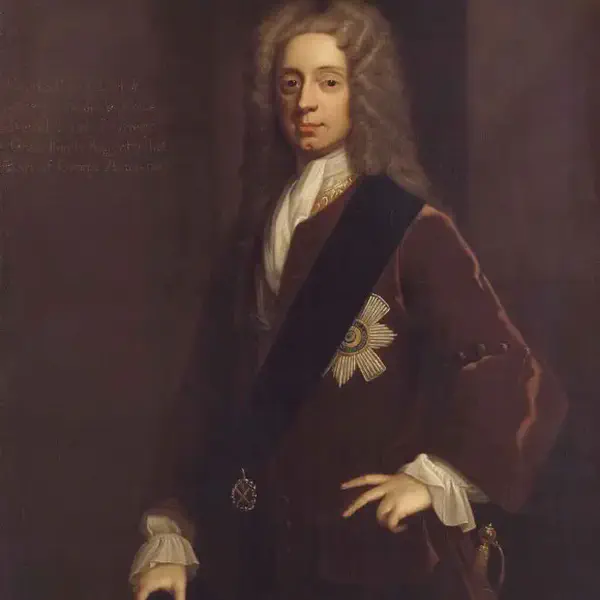
Charles Boyle, 4th Earl of Orrery, born
Charles Boyle, 4th Earl of Orrery KT PC FRS (28 July 1674 – 28 August 1731) was an English nobleman, statesman and patron of the sciences.
ireland
A proclamation declares the banishment of Catholic bishops and priest
A proclamation issued under the reign of King Charles II declares the banishment of all Roman Catholic bishops and priests from Ireland. This decree also mandates the closure of Catholic religious houses, such as monasteries, convents, and schools. The proclamation is part of a broader campaign to enforce Protestant supremacy and suppress Catholic influence following the restoration of the monarchy in 1660. Catholic clergy were seen by the Crown and Parliament as a political threat, particularly due to their allegiance to the Pope. As a result, many bishops and priests were forced into hiding, went into exile, or faced imprisonment. The closures of religious institutions severely disrupted Catholic education and worship across Ireland, deepening the religious divide and fueling further resentment among the Irish Catholic population.
ireland
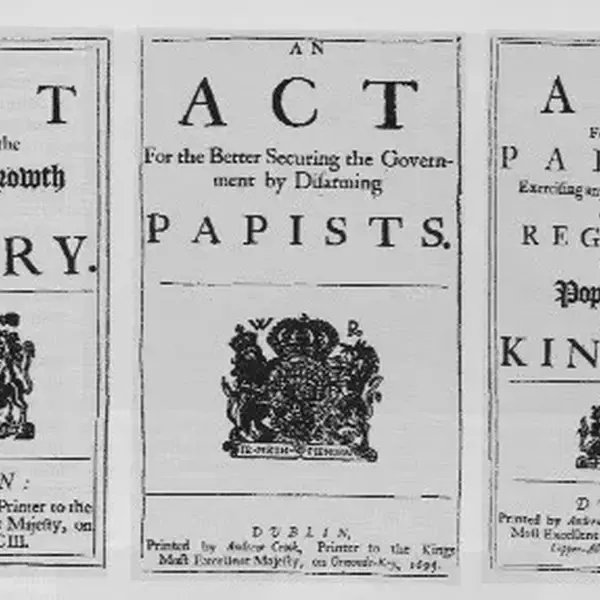
The first Declaration of indulgence; suspending penal laws against Catholics
Charles II or The Merry Monarch (29 May 1630–6 February 1685) was the King of England, King of Scots, and King of Ireland from 30 January 1649 (retrospectively de jure) or 29 May 1660 (de facto) until his death. His father Charles I had been executed in 1649, following the English Civil War; the monarchy was then abolished and the Kingdom of England and the Kingdom of Scotland became occupied under Oliver Cromwell, the Lord Protector (see Commonwealth of England and The Protectorate). In 1660, shortly after Cromwells death, the monarchy was restored under Charles II.
ireland
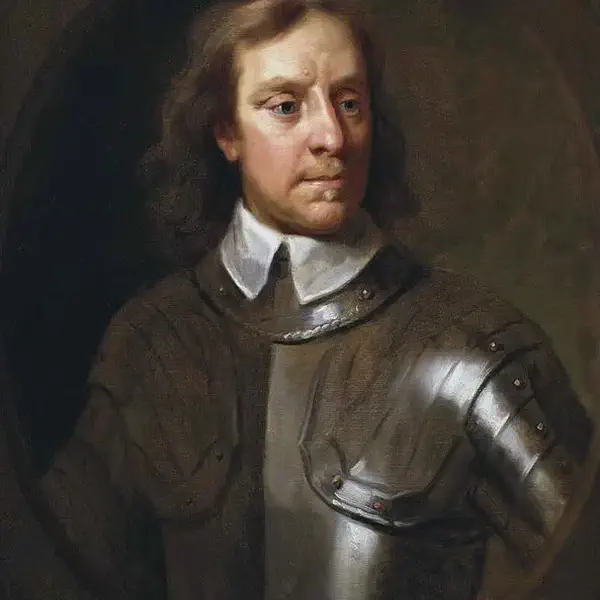
An English Navigation Act prohibits direct importation of sugar, tobacco and other produce from the colonies to Ireland
While Cromwell was master of England, the first of the famous Navigation Acts was passed. The English Navigation Acts were a series of laws which, beginning in 1651, restricted foreign shipping.
ireland