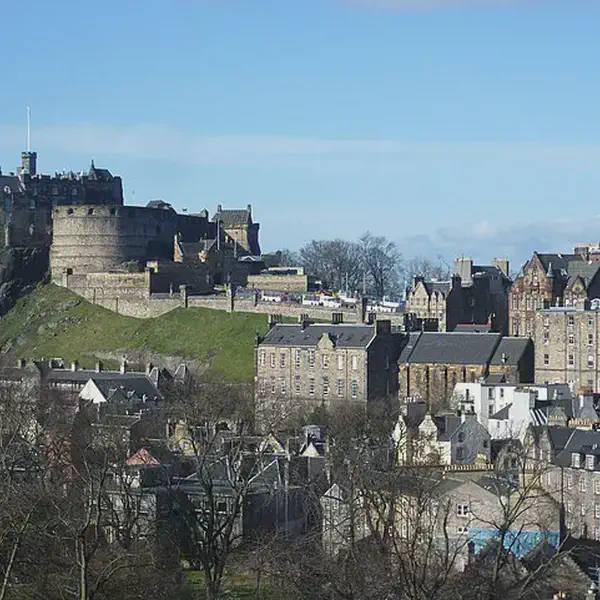
Edinburgh Castle taken from English, reversing English encroachments against independent Scotland
Edinburgh Castle started to develop into a royal fortress during the reign of David I from 1124 to 1153.
ireland
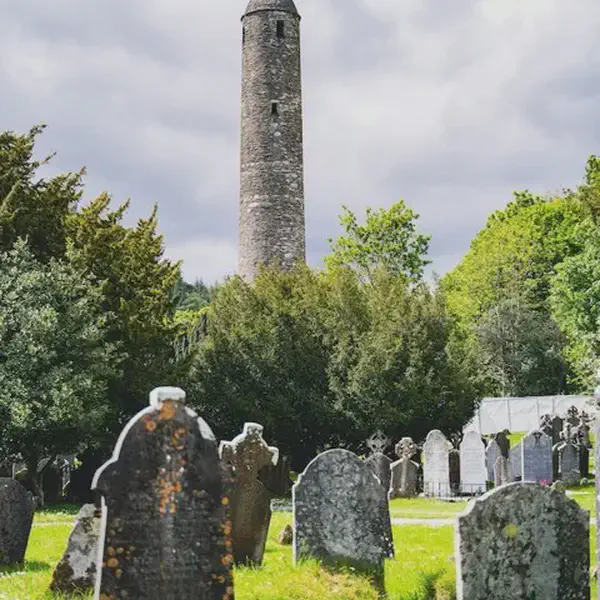
King Edward III of England orders seizure of the Isle of Mann from the Scots.
Edward III (13 November 1312 ? 21 June 1377) was one of the most successful English kings of medieval times. His fifty-year reign began when his father, Edward II of England, was deposed on 25 January 1327, and lasted until 1377. Among his immediate predecessors, only Henry III ruled as long, and it would be over 400 years before another monarch would occupy the throne for that duration.[1] Edwards reign was marked by an expansion of English territory through wars in Scotland and France. Edwards parentage and his prodigious offspring provided the basis for two lengthy and significant events in European and British history, the Hundred Years War and the Wars of the Roses, respectively.
ireland
William de Burgh, Earl of Ulster, is assassinated by his own knights
William de Burgh, 3rd Earl of Ulster, known as “The Brown Earl”, is assassinated in 1333 by his own knights — John de Logan and two members of the de Mandeville family — at Le Ford, near Belfast. His murder was the result of intense rivalries and intrigue among the Norman-Irish lords, and it triggered a period of political instability in Ulster. The power vacuum following his death ultimately contributed to the decline of Norman control in parts of Ireland.
ireland
Edward Balliol, son of John Balliol, crowned at Scone.
Edward Balliol, son of John Balliol, is crowned King of Scots at Scone in 1332 with English support, amid the ongoing struggle for the Scottish crown. His reign, however, is marked by instability and repeated conflict with supporters of David II, son of Robert the Bruce.
ireland
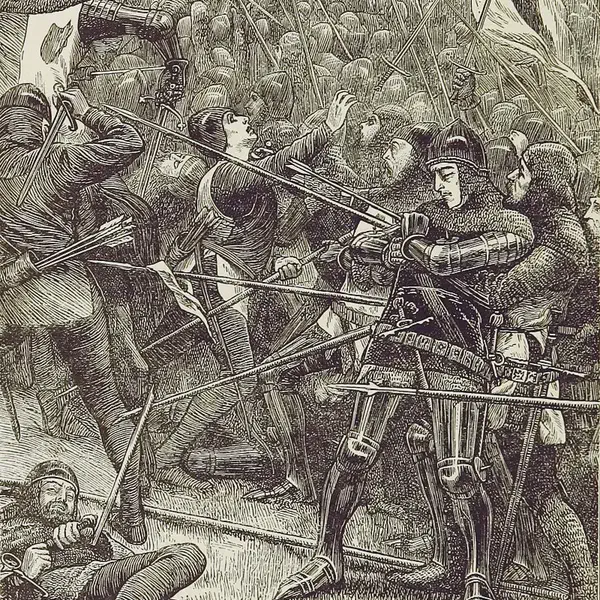
Battle of Dupplin near Perth in which Edward Balliol defeated the Regent, Earl of Mar.
The Battle of Dupplin Moor took place on August 11-12, 1332, near Perth in Scotland. It was a significant conflict during the Second War of Scottish Independence, in which Edward Balliol and his forces defeated the army of the Regent of Scotland, Domhnall, Earl of Mar.
ireland
The Bishop of Ossory is charged with fomenting feuds among the magnatese
The Bishop of Ossory was accused of inciting feuds among local magnates—a serious charge of meddling in regional power struggles. Facing these allegations, the bishop fled to England, avoiding legal or royal scrutiny. When summoned before the King, instead of appearing, he escaped again—this time to Rome, seeking refuge likely under the protection of the Church.
ireland
Robert the Bruce of Scotland, died.
Robert I, (Roibert a Briuis in medieval Gaelic, Raibeart Bruis in modern Scottish Gaelic and Robert de Brus or Robert de Bruys in Norman French), usually known in modern English today as Robert the Bruce (11 July 1274 ? 7 June 1329), was King of Scotland (1306 ? 1329).
ireland
Risings by the native Irish in various parts of Munster and Leinster, continuing into 1330
The year 1329 marked the beginning of a tumultuous period in Ireland’s medieval history, characterized by a series of uprisings by the native Irish across Munster and Leinster. These uprisings were responses to the expanding influence and control of the Anglo-Norman settlers, who had been in Ireland since their invasion in 1169. The native Irish, comprising various Gaelic clans and families, were resisting the encroachments on their lands, the imposition of foreign laws, and the attempt to undermine their social and political structures.
ireland