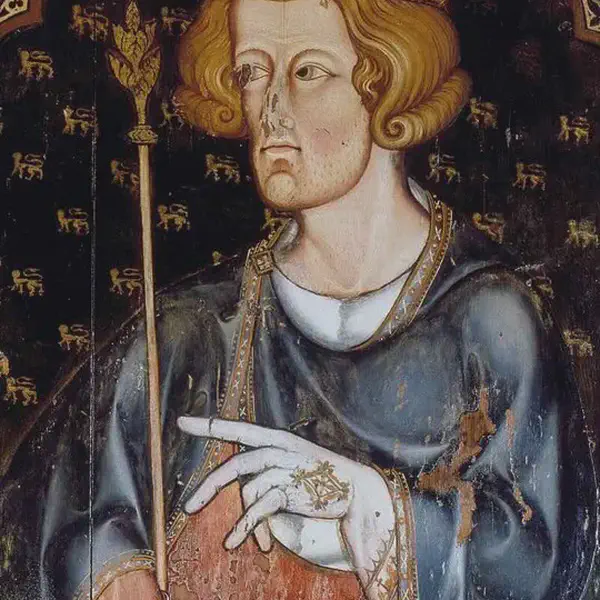
King Edward I removed to England the Stone of Destiny on which generations of Scottish kings had been crowned.
In 1296 the Stone was captured by Edward I as spoils of war and taken to Westminster Abbey, where it was placed under the Coronation Chair, known as St. Edwards Chair on which English sovereigns sat in order to symbolise their dominion over Scotland as well as England. However, there is some doubt whether Edward I captured the real stone — it has been suggested that monks at Scone Palace hid the real Stone in the River Tay or buried it on Dunsinane Hill. If so, it is possible that the English troops were fooled into taking the wrong stone, which could explain why historic descriptions of the old Stone do not apparently fit the Stone now thought to be the real Stone. If the Monks did hide the real stone, they hid it well, as it has never been found (although the Knights Templar claim to have the original stone in their possession).
ireland
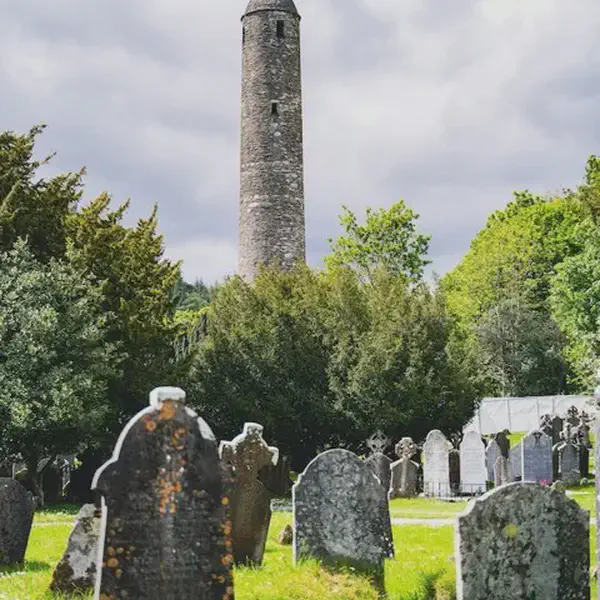
Scots defeated by Edward I at Battle of Dunbar.
The Battle of Dunbar was the first of the series of conflicts of the Wars of Scottish Independence. King Edward I had invaded Scotland in 1296 to punish John Balliol for his refusal to support English military action in France.
ireland
Treaty between King John Balliol of Scotland and King Philippe IV of France
In 1295, a treaty is concluded between King John Balliol of Scotland and King Philippe IV of France, establishing a pact of mutual military support against England. This agreement marks the beginning of the Auld Alliance, a long-standing diplomatic and military alliance between Scotland and France, aimed at counterbalancing English power. The Auld Alliance would endure for centuries, shaping European politics and playing a key role in both Scottish independence struggles and Franco-English rivalries.
ireland
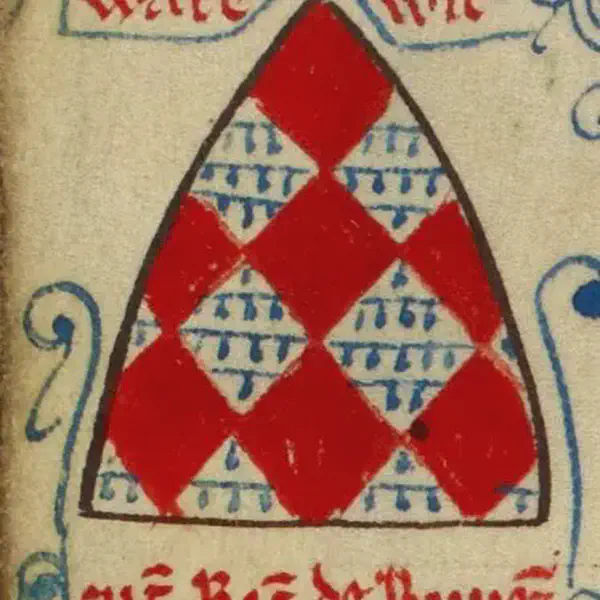
Richard de Burgh is released by the council in parliament at Kilkenny
Richard de Burgh, also known as the Red Earl of Ulster, was a prominent Anglo-Norman nobleman in Ireland during the late 13th and early 14th centuries. His release by the council in parliament at Kilkenny would refer to an event within the complex political and military context of medieval Ireland, where the Anglo-Norman presence was contested by native Irish kingdoms and other Norman lords.
ireland
Revolt of Madog ap Llywelyn, Caernarfon Castle taken by Welsh rebels.
At the end of the first building phase of Caernarfon Castle, the north wall of the castle had no wall, and was instead defended by the town walls and a wide rock cut ditch. Madog ap Llywelyn over-ran the castle through this ditch in his revolt of 1294
ireland
deVescy accuses John FitzThomas, of defamation
In 1282 Thomas succeeded to the barony of Desmond, in Munster, southwest Ireland.
ireland
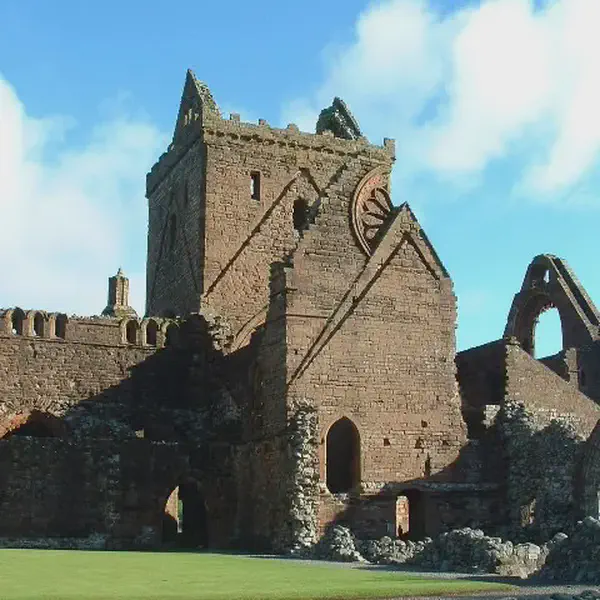
Sweetheart Abbey, near Dumfries, founded by Devorguilla, mother of John Balliol
Sweetheart Abbey, located near Dumfries in Scotland, was founded by Devorguilla of Galloway, who was the mother of John Balliol, a medieval Scottish king.
ireland
All men of good will to the king, both Irish and English, in Munster and Leinster are summoned to Buttevant in Leix
All men loyal to the King—both Irish and English—from Munster and Leinster are summoned to Buttevant, in what is now County Laois (formerly Queen’s County).
ireland