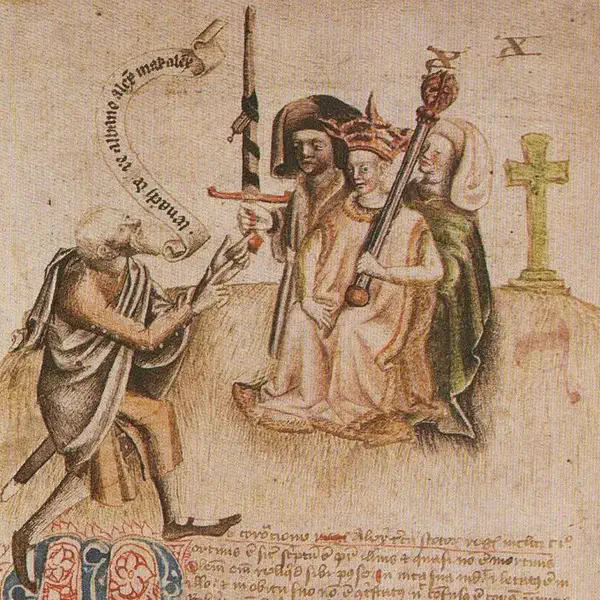
Alexander III of Scotland died after crossing the river Forth to Fife at Queensferry.
Born in 1241, the only son of Alexander II and his second wife, Marie de Coucy, Alexander became king at the age of seven, and only five days after the death of his father. He became king during an age of relative peace and prosperity in Scotland. Alexander III, King of Scots, also known as Alexander the Glorious, ranks as one of Scotlands greatest kings.
ireland
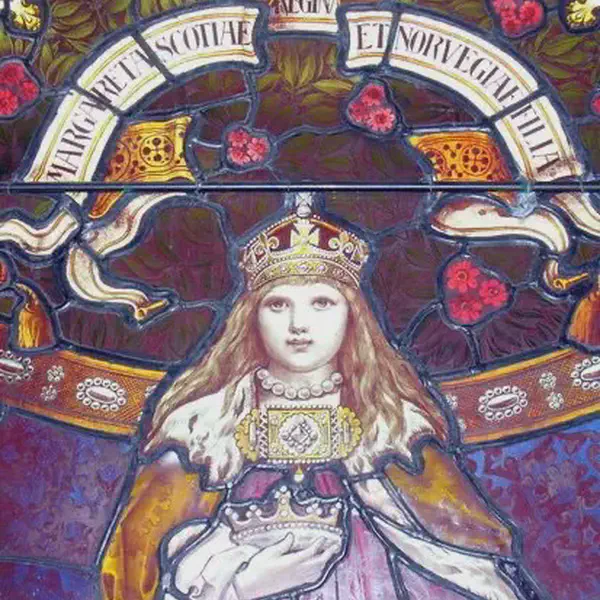
Queen Margaret, Maid of Norway (daughter of King Erik II) crowned
Margaret, known as the Maid of Norway, was never officially crowned, but she was recognized as the rightful heir to the Scottish throne. Born in 1283, Margaret was the daughter of King Erik II of Norway and Margaret of Scotland, making her a direct descendant of Alexander III of Scotland. Her grandfather’s death in 1286 left Scotland without a clear heir, and Margaret, being his only surviving legitimate descendant, became the heir presumptive to the Scottish throne at just a few years old.
ireland
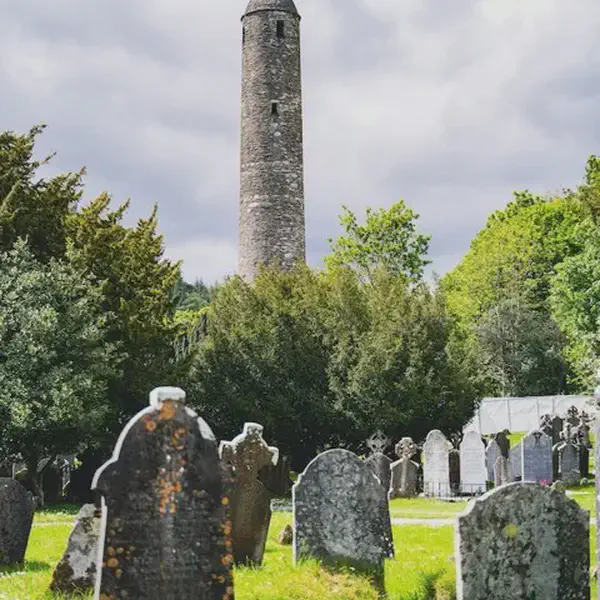
At Caernarfon - Edward I of England declares his day old son as the Prince of Wales and thus the first pretender to the Welsh throne
In 1282 Edward, King of England was determined to achieve total victory, although the cost in time, effort and money, undoubtedly caused him dismay. Edward attacked Llywelyn from the South, from the East and from the sea.
ireland
Battle of the Largs
Battle of Largs (1263) — A skirmish near Largs, Ayrshire, between Scottish forces and a Norwegian expedition led by King Haakon IV of Norway. Though not a large battle, the engagement contributes to the failure of Norway’s attempted invasion of Scotland. Following bad weather, disorganized landings, and local resistance, the Norwegians abandon their campaign, leaving behind ships and wounded men on the shore. The campaign’s collapse eventually leads to the Treaty of Perth (1266), where Norway cedes the Hebrides and Isle of Man to Scotland.
ireland
Prince Dafydd III last native Prince of Wales executed by the English
Although Wales was now held by Edward, another Welsh rising occurred in 1282 under Llywelyns brother, Dafydd. Again, the uprising was unsuccessful: Llywelyn was killed in a skirmish near Buellt, and Dafydd: was executed as a traitor to England. Edwar
ireland
Devorgilla, Countess of Galloway founded Balliol College, Oxford
Devorgilla, Countess of Galloway, is credited with founding Balliol College, Oxford, in the late 13th century. A wealthy and influential noblewoman, she established the college in memory of her husband, John I de Balliol, who had begun supporting poor scholars at Oxford before his death.
ireland
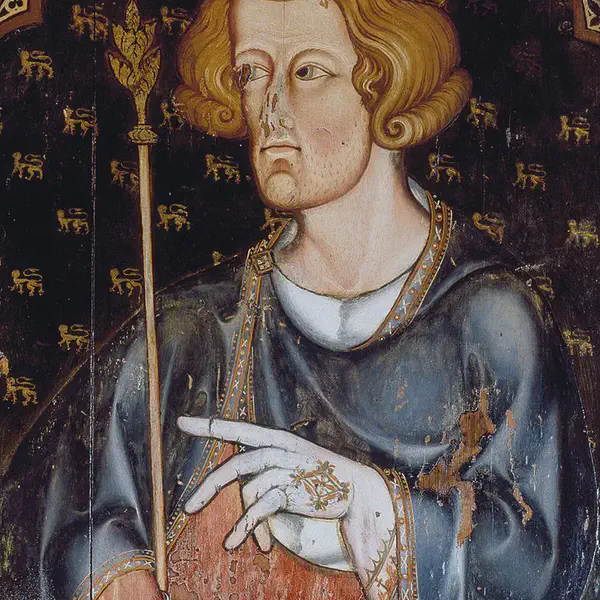
Welsh Parliament declares war on England.
The conquest of Wales by Edward I took place between 1277 and 1283. It is sometimes referred to as the Edwardian conquest of Wales, to distinguish it from the earlier (but partial) Norman conquest of Wales. In two campaigns, in 1277 and 1282–83, respectively, Edward I of England first greatly reduced the territory of Llywelyn ap Gruffudd (“Llywelyn the Last”), and then completely overran it, as well as the other remaining Welsh principalities.
ireland
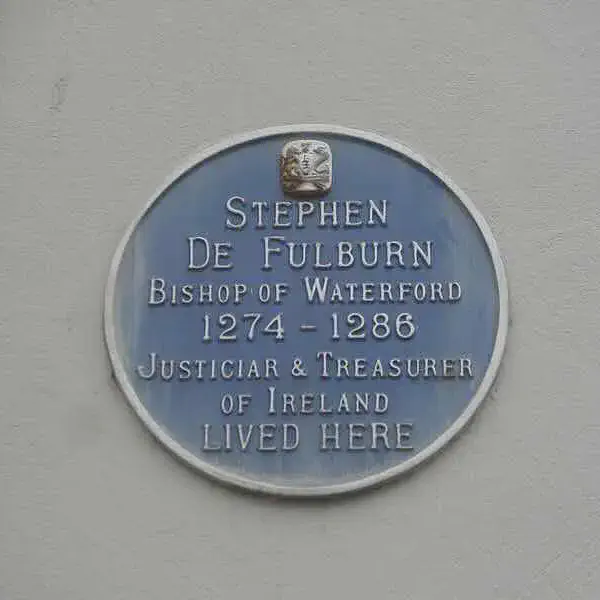
Stephen de Fulbourne, becomes justiciar and establishes a mint at Waterford
Stephen de Fulbourn (died 3 July 1288) was an English-born cleric and politician in thirteenth-century Ireland: he was Justiciar of Ireland, and Archbishop of Tuam 1286–88. He was a member of the Order of Knights Hospitallers.
ireland