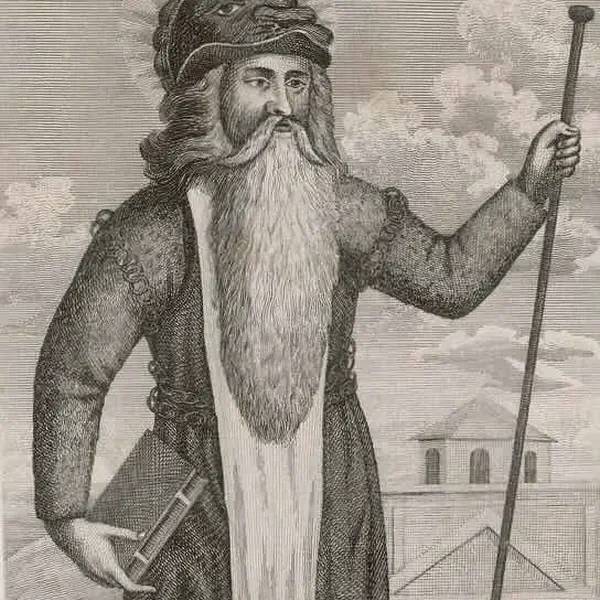
Quitclaim of Canterbury, nullified the Treaty of Falaise
The Treaty of Falaise was a forced written agreement made in December 1174 between the captive William I, “William the Lion”, King of Scots (c. 1028 – 9 September 1087), and Henry II, King of England (5 March 1133 – 6 July 1189).
ireland
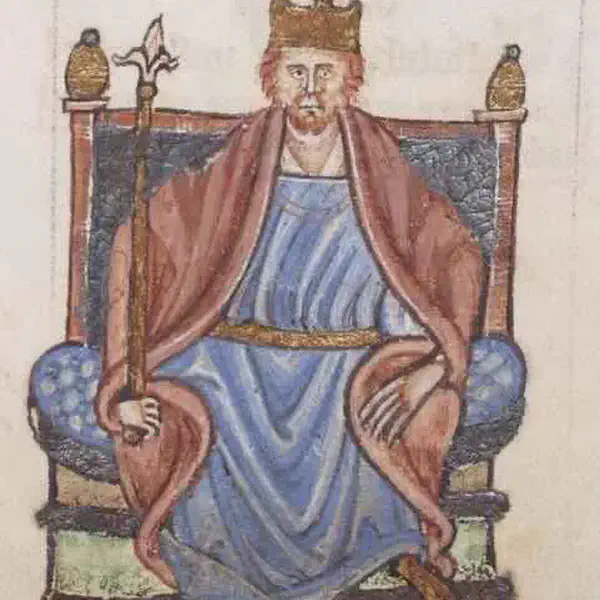
A crown that Henry had sought from the papacy for John's use as king of Ireland is delivered, but will never be used
King Henry II (5 March 1133 – 6 July 1189) was King of England from 1154 until his death in 1189. In 1154 the one and only Englishman to become Pope, Nicholas Breakspeare, was elected as Pope Adrian IV. The next year he presented Ireland to King Henry II, as a papal fief or lordship, with himself remaining overlord. This was around Christmas, that the crown that Henry had sought from the papacy for John’s use as king of Ireland is delivered, but will never be used
ireland
John de Courcy was appointed by King Henry as justiciar of Ireland
As Justiciar, John de Courcy would have served as the chief governor or representative of the English crown in Ireland. This role was crucial during a period when English influence in Ireland was expanding but still faced significant challenges from both Irish chieftains and rival Norman lords.
ireland
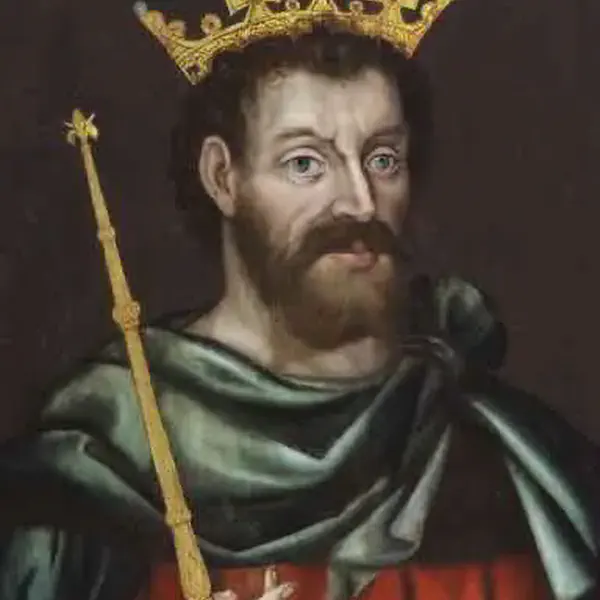
John's first expedition to Ireland
At the Oxford parliament in May 1177, Henry II of England replaced William FitzAldelm and granted John Lackland, (24 December 1166 – 19 October 1216) a future King of England, his Irish lands, so becoming Lord of Ireland (Dominus Hiberniae) in 1177 when he was 10 years old, with the territory being known in English as the Lordship of Ireland.
ireland
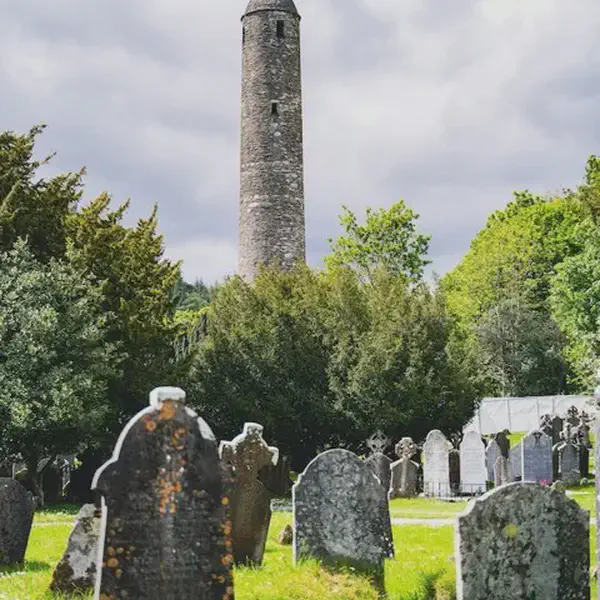
Henry II sends his son John to Ireland
Henry II sends his son John to Ireland. John lands at Waterford on this date to assert royal control over Hugh de Lacy, whom Henry suspects of aspiring to become King of Ireland. However, John fails to bring De Lacy under control.
ireland
John Cumin (or Comyn) is elected archbishop of Dublin
John Comyn (c. 1150 – 25 October 1212), born in England, was Archbishop of Dublin, Ireland.
ireland
John de Courcy invades Ulster and seizes Down
John de Courcy was an Anglo-Norman knight who, in 1177, invaded Ulster, a province in the north of Ireland, and seized control of Downpatrick (often referred to simply as “Dow” in historical texts). De Courcy’s invasion was part of the wider Anglo-Norman conquest of Ireland that began in 1169, under the authority of King Henry II of England. This conquest aimed to extend Norman influence and control over Ireland.
ireland
Strongbow, Anglo-Norman lord, dies in Dublin
Richard de Clare (1130 – 20 April 1176), 2nd Earl of Pembroke, also Lord of Leinster and Justiciar of Ireland (sometimes known as Richard FitzGilbert), was an Anglo-Norman nobleman notable for his leading role in the Anglo-Norman invasion of Ireland. Like his father, Richard is commonly known by his nickname, Strongbow
ireland
Under the Treaty of Windsor, concluded on this date, Rory O'Connor recognizes Henry as his overlord
Under the Treaty of Windsor, concluded in 1175, Rory O’Connor, High King of Ireland, recognizes King Henry II of England as his overlord. In return, Henry agrees to acknowledge Rory’s kingship over the areas of Ireland not already under Norman control. Rory also agrees to collect tribute from other Irish rulers on behalf of the English crown. However, the treaty quickly breaks down, as Norman lords continue their expansion independently of the Crown, and Rory’s authority proves insufficient to enforce the agreement.
ireland
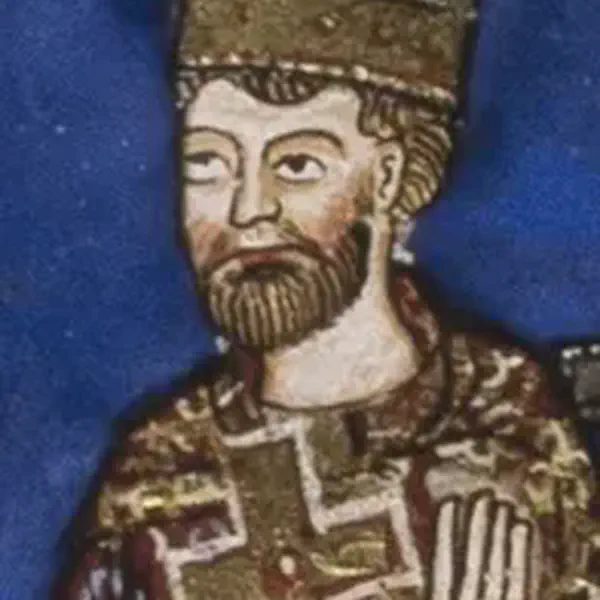
Last day King Henry II holds his court in Dublin
The last day King Henry II of England held his court in Dublin was on April 17, 1172. Henry’s involvement in Ireland marked a significant moment in both English and Irish history, initiating the Anglo-Norman presence in Ireland that would have profound and lasting effects on the island’s political, social, and cultural landscapes.
ireland